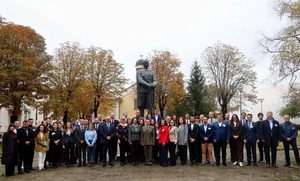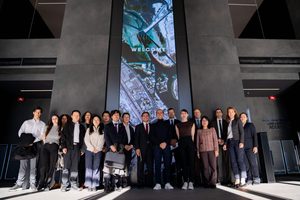
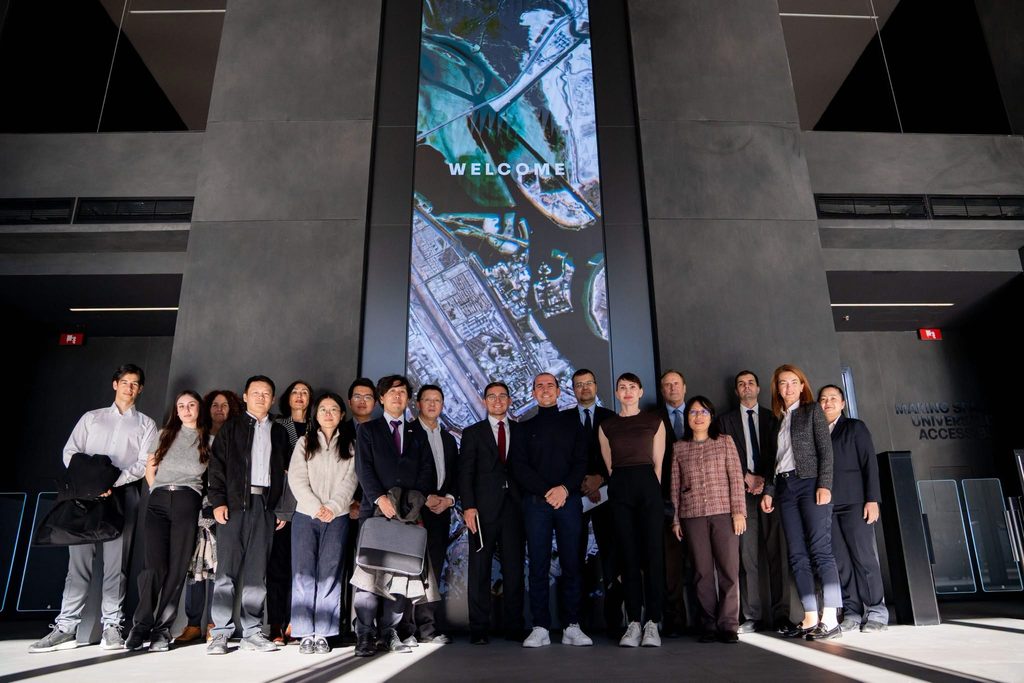
The Bulgarian Diplomatic Institute, in cooperation with the GATE Institute at Sofia University “St. Kliment Ohridski”, held the third module of the Introduction Seminar for Newly Arrived Foreign Diplomats in Bulgaria. The module brought together representatives from 11 countries across three continents.
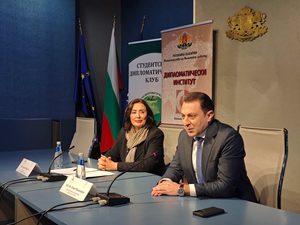
Entitled “Science, Innovation, Civil Society and Media in Bulgaria”, the module provided newly appointed diplomats with an opportunity to gain insights into the role of scientific research, emerging technologies, the media landscape and current political developments in Bulgaria. The event was opened by Ms. Tanya Mihaylova, Director of the Bulgarian Diplomatic Institute, and Prof. Silvia Ilieva, Director of the GATE Institute.
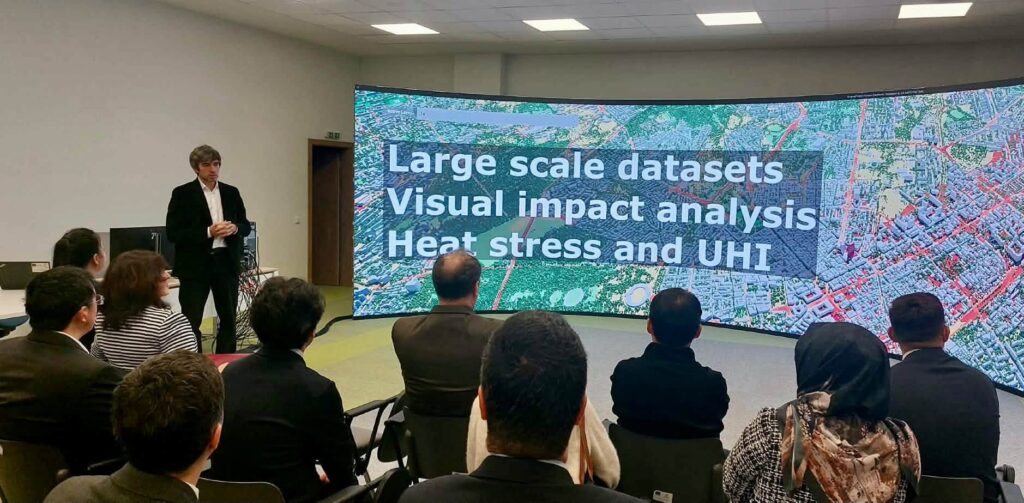
During the first panel, Mr. Georgi Randelov, Business Development Director at the GATE Institute, presented the Institute’s work as a centre for applied research in the fields of Big Data and artificial intelligence (AI).
The presentation focused on the Future Cities initiative; the PlugInfo 2.0 and PODIA research prototypes for discourse analysis, argument deconstruction and the examination of disinformation datasets in the context of the European Media Freedom Act (EMFA) and the Digital Services Act (DSA); technology transfer and partnerships; applications of artificial intelligence in healthcare and robotics; the GATE Institute’s role in NATO’s innovation network; and opportunities for joint research and development (R&D) projects and cooperation with international organisations and the business sector.
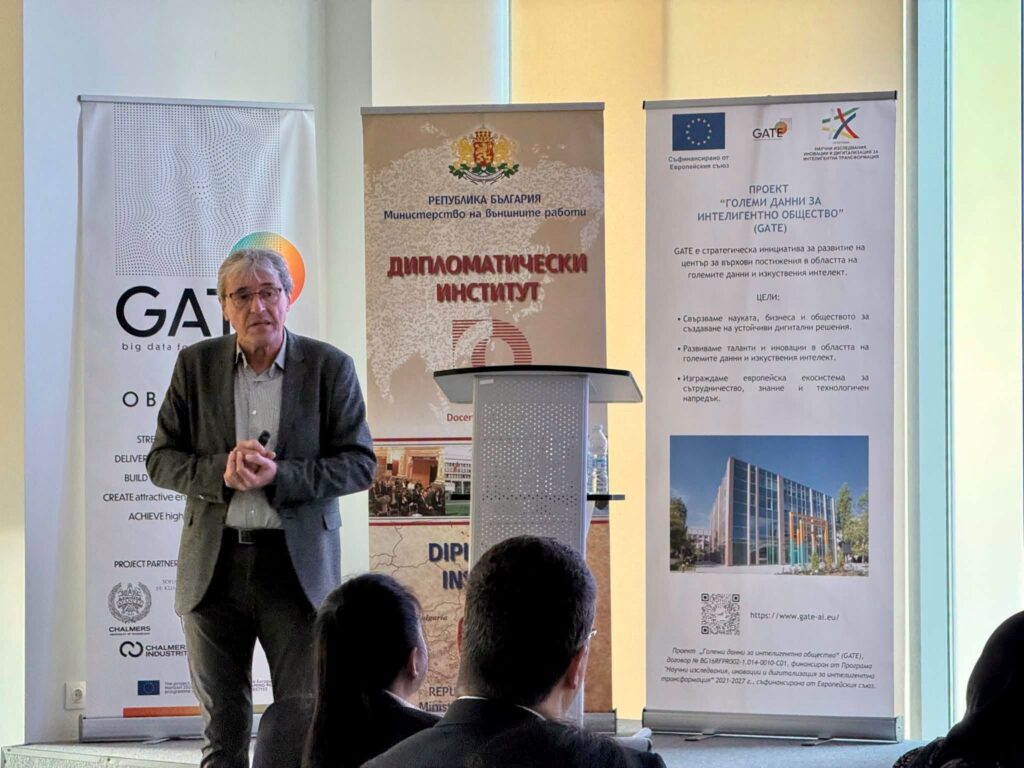
In the second panel, Prof. Antony Todorov, Professor of Political Science at New Bulgarian University, provided an overview of Bulgaria’s domestic political developments. He analysed the dynamics of parliamentary elections between 2021 and 2024, changes in the party system, key economic debates concerning inflation, the adoption of the euro and tax policy, as well as Bulgaria’s foreign policy positions.
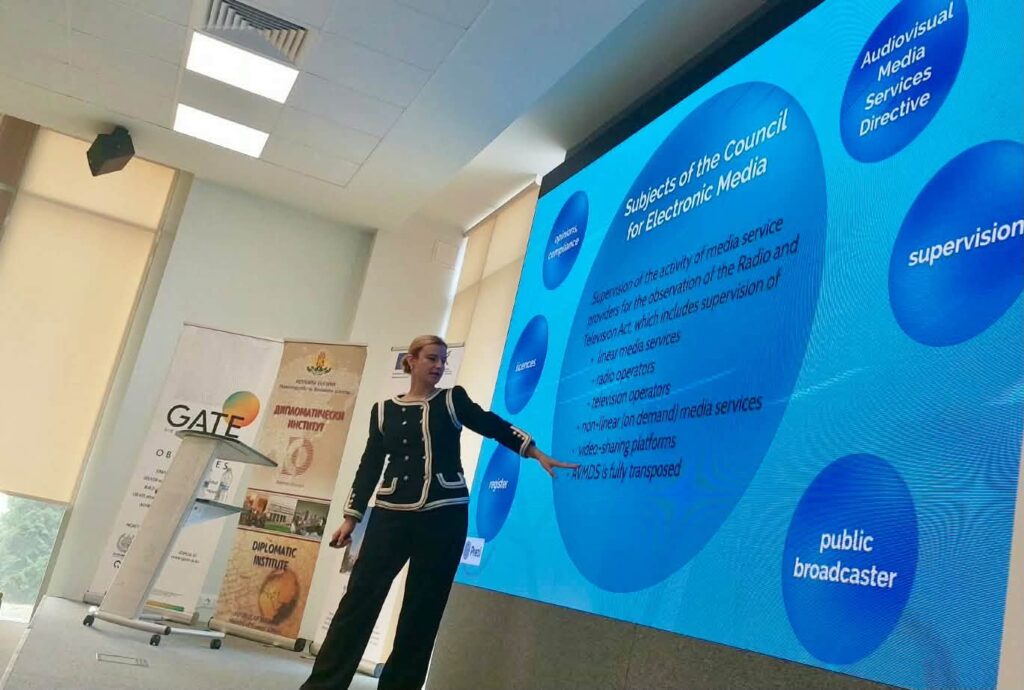
The third panel featured Dr. Simona Veleva, member of the Council for Electronic Media (CEM) and lecturer in media law, who introduced participants to the legal framework governing freedom of expression under the European Convention on Human Rights and the Constitution of the Republic of Bulgaria. She addressed the regulatory functions of the CEM, the implementation of European media legislation, measures to counter disinformation and the protection of minors in the digital environment.
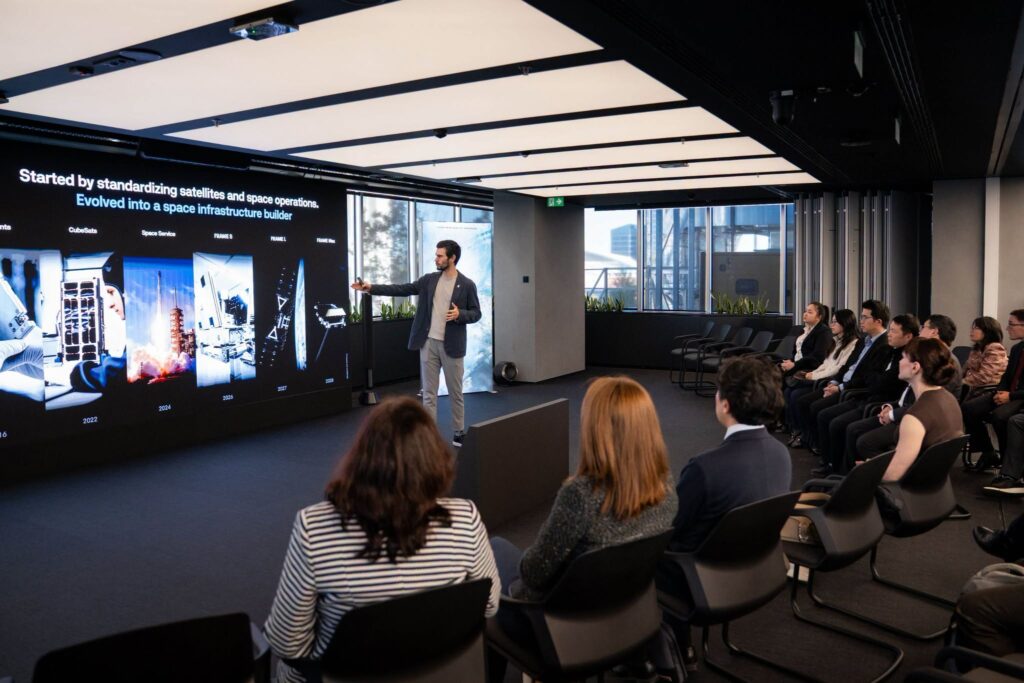
The programme concluded with a visit to EnduroSat, a Bulgarian satellite manufacturer, where participants had the opportunity to learn first-hand about the company’s activities and products. They met with Alexis Navarro, Production Director, and Viktor Danchev, Chief Technology Officer, who introduced them to satellite technologies, their applications and the operation of satellite systems in space, while also presenting EnduroSat’s history, mission and activities.
Particular attention was given to the company’s international presence, future development projects and educational programmes for school and university students. These initiatives have helped pave the way towards careers at EnduroSat for a large proportion of its current employees.